发言于专题研讨会:“说真话的人”——方励之纪念影片放映与研讨会,2026年4月3日,斯坦福大学胡佛研究所
Research Scientist School of Information University of California at Berkeley and Founder and Chief Editor of China Digital Times
加州大学伯克利分校信息学院研究科学家,兼《中国数字时代》创始人及主编
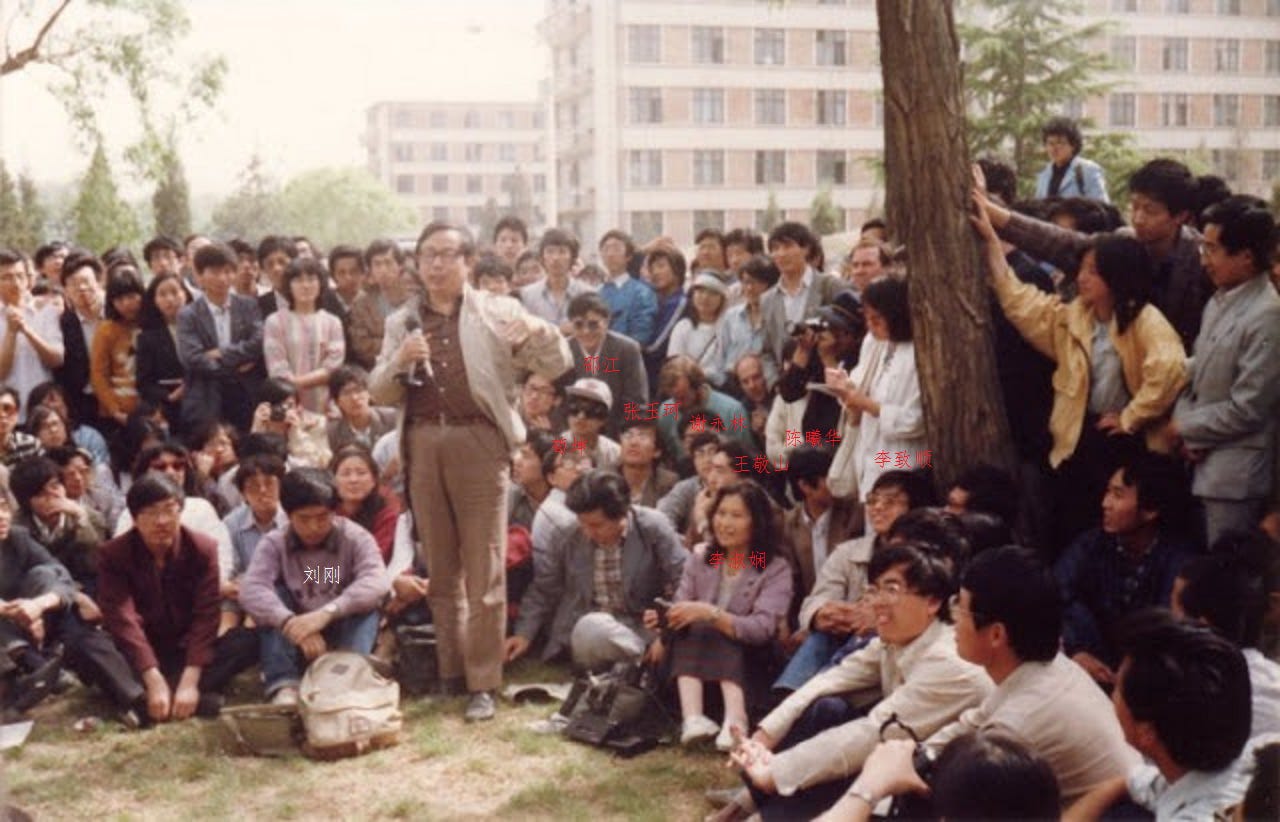
感谢导演蔡東豪(Tony Troi)制作了这部非凡的电影,感谢胡佛研究所举办这次活动。我们刚刚观看了这部影片,也借此了解了方励之究竟是怎样一个人。我们的主持人林培瑞(Perry Link)教授请我探讨另一个问题:这种力量的源泉究竟何在?即他那份勇气的源泉,以及他那份道德清明的源泉。究竟是这位先生身上具备了怎样的特质,才使他不仅仅是作为一位异议人士,不仅仅是作为一位杰出的物理学家,更是一位其存在本身就能改变周围的人的非凡人物?
而我,正是被他改变的人群中的一员。
当年我在中国科学技术大学攻读本科期间,曾师从他研习物理学。正是凭借他的推荐,我得以远赴美国,在圣母大学( University of Notre Dame)继续攻读天体物理学的博士学位。后来,当我告别物理学界、转而投身全职人权工作之后,我们的生命轨迹又以另一种方式再次交汇——他出任了“中国人权”(Human Rights in China)组织的理事会共同主席,而我则在整个20世纪90年代期间,一直担任这家总部位于纽约的人权机构的执行主任。身处流亡异乡,我们并肩协作,为捍卫中国人民的权利而奔走呼吁——直至他生命的最后一刻。
请允许我带您回到一个特定的时刻。
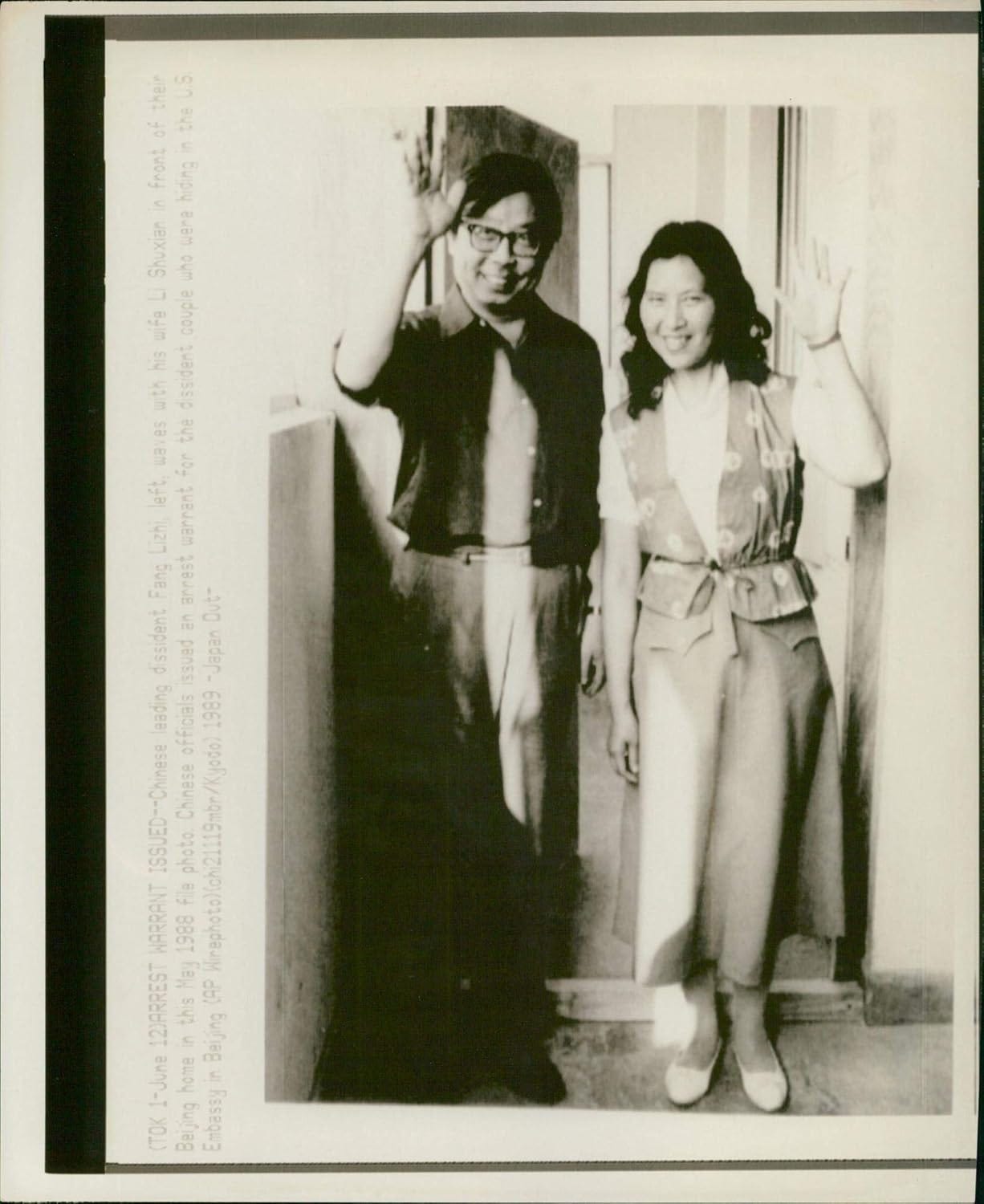
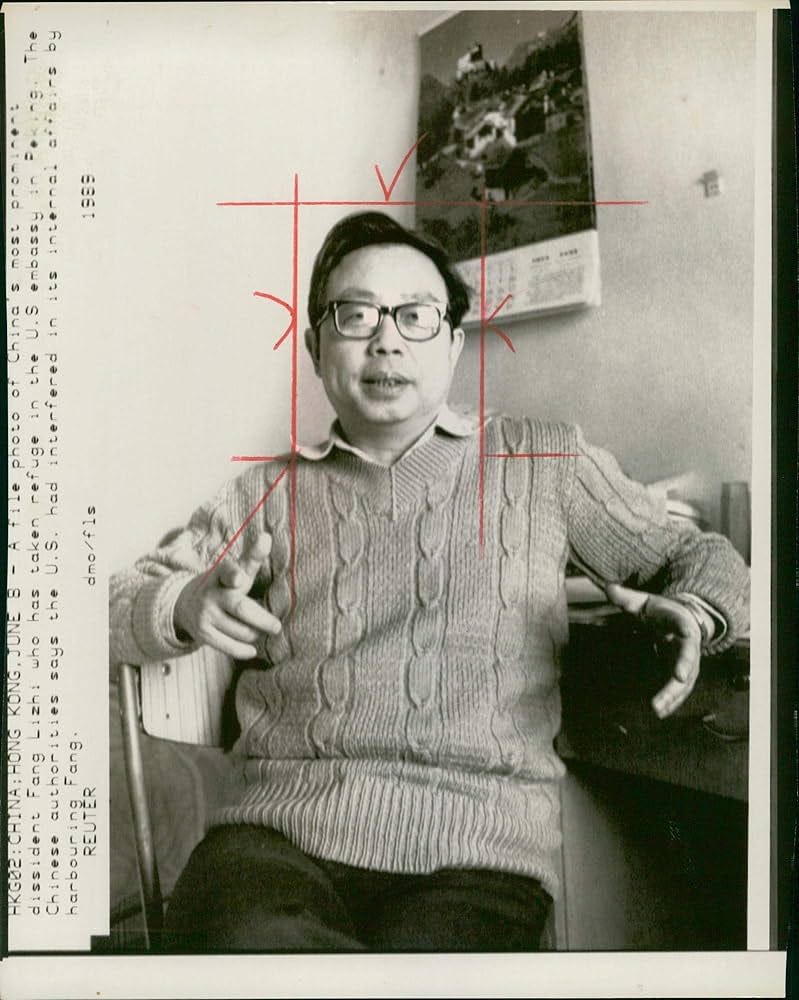
在1989年的夏天。坦克刚刚撤离北京的街头,街上有士兵。成千上万的人身陷囹圄,我也知道美国大使馆有秘密特工。而方励之——中国最杰出的异议人士,也是共产党当局最急欲抓捕的目标——正与妻子李淑娴一同于美国驻华大使馆内避难。
他们将在那里度过整整的十三个月。他们身陷重围,受到严密监视,寸步难行。
就在那间幽闭狭小的房间里——在那场围困之中——方励之完成了数篇天体物理学研究论文,并写就了自传的初稿。他以无比清澈的目光,审视着自己生命的全部意义。
他是如何做到的?面对那样的威胁,一个人究竟是如何保持那样的专注、那样的镇定,以及那样的创造力的?
我想,答案就蕴藏在他在那段时期所说的一句话里。当他接受“罗伯特·F·肯尼迪人权奖”时——身处大使馆内的他发表了获奖感言——他以这样一句话结束了自己的演讲:
“愿我们的宇宙保佑我们。”
方励之深受中国传统文化的熏陶,又接受了现代物理学的专业训练。他并非基督徒。他从未以任何传统意义上的方式进行祈祷。因此,当他觉得“上帝”一词对他而言并不适用时,他并非仅仅是在寻找一个替代词汇。
这是一个从他内心最深处——那个他真正栖居的地方——发出的声音。
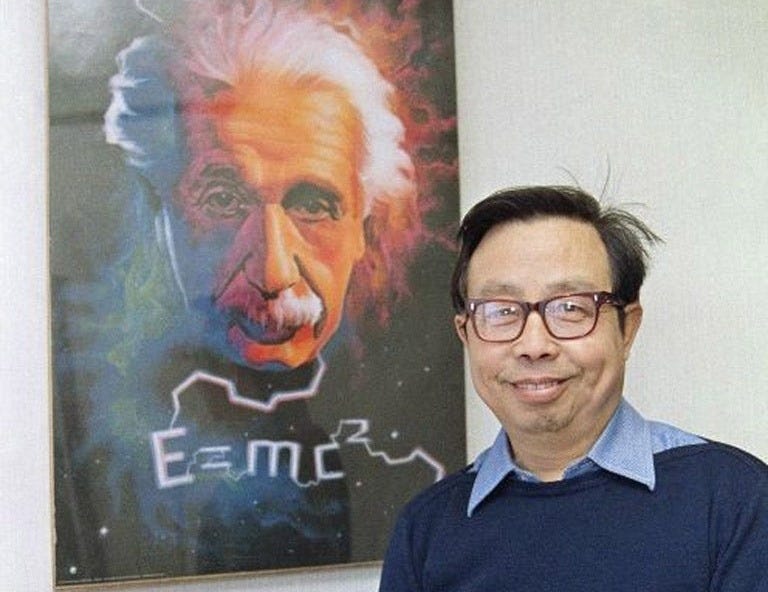
爱因斯坦曾在1930年写道:“我们所能体验到的最美妙的情感,莫过于神秘感。它是所有真正艺术与科学的摇篮所在,也是其最根本的情感源泉。”
对于爱因斯坦而言,这绝非某种浪漫的情怀,而是对他作为一名物理学家,在探索事物内在本质时所受到的驱动力——以及他在那深处所发现的一切——所作出的精准描述:规律、秩序与美。这种驱动力源于这样一个事实:世间万物并非虚无,而是真实存在着;同时也源于一种敬畏之情——敬畏于作为万物生灵之一,竟能感知到这一事实的存在。
方励之一生都栖居于那深邃的内在世界之中。引力方程、时间之箭、宇宙的大尺度结构……对于一位已臻此等深度的物理学家而言,宇宙不再仅仅是一个被研究的客体。
宇宙就是家园。
它是你真正源起之地,也是你最终回归之所。
当他说出那番话时,他其实是在宣告:“我深知我真正的归宿何在。世间没有任何政治权力能够将这一归属从我身边夺走。”
还有另一个人,他的话有助于我们确切地理解方励之究竟在说什么。
安德烈·萨哈罗夫——那位从苏联核物理学家,也是转而成为苏联历史上最具影响力的异议人士——曾在其日记中写道:
“上帝并非世界的统治者,也不是其法则的制定者;他是存在之意义的守护者——一个深藏于存在之表象荒谬之下的一个定点。哪怕是在生命与心灵交融的短暂瞬间,人依然能够感知到那无限的存在。”
萨哈罗夫并非传统意义上的宗教信徒。但他确乎寻得了一种东西——一种深藏于存在之表象荒谬之下的“恒常定点”——那是任何一种古拉格集中营、任何迫害、任何国家权力都无法触及的。当周遭的一切似乎都在昭示绝望之时,唯有此物,为生命赋予了确切的意义。
萨哈罗夫称之为“上帝”,而方励之则称之为“宇宙”。

然而,他们所指向的却是同一事物。那是一种深藏于存在之下的常量——它坚实不移,亘古永存,且是任何政治权力都无法没收或剥夺的。
那便是方励之安身立命之所在。即便身陷大使馆的高墙之内,亦是如此。
那便是他力量之源!
当你真正仰望这一源泉之时——并非将其视作一句空洞的口号,而是将其视为你在工作中最深沉的时刻、在生命最幽暗的深处所最终抵达的境地;在那里,思想与阅历融为一体,凝结为一种确信不疑的确定性,而这种确定性,便构成了你立足于世间的基石——
——此时,那种敢于直言“这是错的”勇气,便不再显得像是一种刻意的英雄主义。
它仅仅是如实道出你所亲眼目睹的真相罢了。
方励之之所以非凡,并非因为他比常人拥有更多的胆量。
他之所以非凡,是因为他以宇宙为家,他允许自己比大多数人更自在地属于这个宇宙。
而一旦安居于此,便没有任何力量能够将他撼动——无论是大使馆那森严的围墙,是依然游弋在北京街头的坦克,还是各国政府彼此相向、高悬于头顶的核武库。所有这一切,都无法触及他的内心家园,他真正栖居的地方。
这便是他的一生——以及这部影片——所要讲述的核心。
而我相信,这正是我们在当下这个时代最需要铭记的真谛。
愿宇宙之福祉,常伴吾左右!

THE SOURCE OF FANG LIZHI’S COURAGE
Presentation at the panel discussion of The Man Who Told The Truth: A Film Screening & Discussion Honoring Fang Lizhi Friday, April 3, 2026, Hoover Institution, Stanford University
Xiao Qiang
Research Scientist School of Information University of California at Berkeley and Founder and Chief Editor of China Digital Times
Thank you Director Tony Troi for making this remarkable film. Thank you Hoover Institution for hosting this event.
We have just seen the film, and learned who Fang Lizhi was. Our moderator Professor Perry Link asked me to address a different question: What was the source? The source of his courage. His moral clarity. What was in this man that made him — not just a dissident, not just a brilliant physicist — but someone whose very existence changed the people around him?
I was one of them.
I studied physics under him as an undergraduate at the University of Science and Technology of China. It was his recommendation that brought me to the United States, to continue as a PhD student in astrophysics at the University of Notre Dame. Later, when I left physics and became a full-time human rights activist, our paths converged again in a different way — he served as Co-Chairman of the Board of Human Rights in China, the New York-based organization where I served as Executive Director throughout the 1990s. We worked together, in exile, advocating for the rights of the Chinese people — until the end of his life.
Let me take you to a specific moment.
Summer, 1989. The tanks have just left the streets of Beijing. Thousands killed or imprisoned. Fang Lizhi — China’s most prominent dissident, the man the Party wants most — has taken refuge inside the American Embassy with his wife Li Shuxian.
They will stay there for thirteen months. Surrounded. Watched. Unable to leave.
And in that room — in that siege — Fang Lizhi finished several research papers in astrophysics. And completed a draft of his autobiography. Reflecting, with full clarity, on the meaning of his own life.
How? How does a man under that kind of threat maintain that kind of concentration? That calm? That productivity?
I think the answer is in something he said during that period. When he accepted the Robert F. Kennedy Human Rights Award — speaking from inside the embassy — he ended his speech with these words:
“May our universe bless us.”
Now. Fang Lizhi was shaped by classical Chinese culture and trained by modern physics. He was not a Christian. He didn’t pray in any traditional sense. So he wasn’t simply reaching for a substitute word when “God” felt unavailable to him.
This is a man speaking from the deepest place he actually inhabited.
Einstein wrote in 1930: “The most beautiful emotion we can experience is the mysterious. It is the fundamental emotion that stands at the cradle of all true art and science.”
For Einstein, that wasn’t a romantic sentiment. It was a precise description of what drives a physicist into the interior of things — and what he finds there: pattern, order, beauty. The fact that there is something rather than nothing at all — and the awe of being the creature that is aware of it.
Fang spent his life in that interior. Gravitational equations. The arrow of time. The large-scale structure of the universe. For a physicist at that depth — the universe is not an object of study.
It’s a home.
The place you truly come from. And truly return to.
When he said those words — he was saying: I know where I belong. And no political power on earth can take that away from me.
There’s another man whose words help us understand exactly what Fang meant.
Andrei Sakharov — the Soviet nuclear physicist who became the Soviet Union’s most consequential dissident — wrote in his diary:
“God is not the ruler of the world, not the creator of its laws — but the guarantor of the meaning of existence, despite all appearances of meaninglessness. Even in the brief moments of life and communion, a person can feel the infinite.”
Sakharov wasn’t a religious man in any conventional sense. But he had found something — a fixed point beneath the apparent absurdity of existence — that no gulag, no persecution, no state power could reach. Something that guaranteed meaning when everything around him argued for despair.
Where Sakharov said “God” — Fang said “universe.”
But they were pointing at the same thing. A truth beneath existence that holds. That has always held. And that no political power can confiscate.
That is where Fang Lizhi lived. Even inside those embassy walls.
That is the source.
When you truly trust this source — not as a slogan, but as something you’ve arrived at in the deepest hours of your work and the deepest places of your life, where thought and what you’ve lived through become certainty, and certainty becomes the ground you stand on —
— then the courage to say “this is wrong” doesn’t feel like heroism.
It feels like telling the truth about what you can plainly see.
Fang Lizhi was not an extraordinary man because he was braver than other people.
He was extraordinary because he was more at home in the universe than most people ever allow themselves to be.
And from that home, nothing could dislodge him — not the embassy walls, not the tanks still on the streets of Beijing, not the nuclear arsenals governments held over one another’s heads. None of it could reach where he actually lived.
That is what his life — and this film — is about.
And that, I believe, is what we most need to remember today.
May our universe bless us.
原稿由作者提供


没有评论:
发表评论